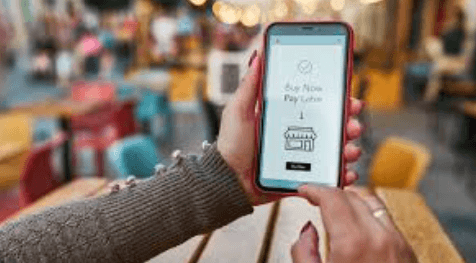
BNPL has shifted consumer credit from upfront payment to staged, interest-free installments. Its global spread hinges on platform reach, merchant partnerships, and checkout convenience. Yet data shows mixed effects on purchase size and repayment tone, with rising debt risk and opaque terms in some markets. Regulators and consumers push back for transparency and financial literacy. The question remains: can faster approval and higher conversion outweigh long-term cost and risk for buyers and retailers alike?
What BNPL Is and Why It Went Global
Buy now, pay later (BNPL) is a consumer financing model that lets shoppers split purchases into interest-free installments, typically paid over several weeks.
The mechanism favors flexibility, yet scrutiny follows: adoption grows as platforms expand, driven by digital reach and merchant partnerships.
BNPL adoption hinges on fair terms and risk controls; cross border expansion tests regulatory environments, consumer protections, and interoperability.
How BNPL Changes Consumer Behavior and Retail Strategy
BNPL programs shape consumer behavior by altering the timing and composition of spend, while also pressuring retailers to adapt their pricing, checkout flow, and loyalty incentives.
shoppers increasingly expect installment options at the point of sale, which can boost average order value and conversion on price-sensitive items—yet this comes with heightened risk of overextension and debt fatigue.
BNPL adoption shapes consumer budgeting decisions and retail strategy.
Risks, Regulation, and Financial Literacy in BNPL
There are inherent risks in BNPL that extend beyond consumer convenience and retailer strategy, including debt accumulation, payment readiness, and long-term financial health.
This assessment remains skeptical about unchecked growth, highlighting how risks compound for vulnerable groups.
Regulation, though uneven, is increasing transparency; financial literacy in bnpl must accompany access to tools, enabling informed decisions without suppressing freedom.
Choosing BNPL: Evaluation Criteria for Merchants and Buyers
A methodical evaluation of BNPL options for merchants and buyers hinges on transparent cost structures, risk transfer, and measurable impact on purchase behavior.
Merchant evaluation focuses on fees, integration ease, fraud protection, and reconciliation.
Buyer criteria emphasize repayment terms, transparency, credit impact, and consumer protections.
Skeptical, data-driven analysis reveals that freedom-friendly choices require clear disclosures and verifiable performance metrics.
See also: The Rise of Data Lakes
Frequently Asked Questions
How Does BNPL Affect Credit Scores Long Term?
BNPL likely shows modest short-term boosts or dips, but its long term credit score impact remains uncertain; responsible use can aid long term credit building, yet missed payments or revolving behavior may harm scores in persistent, skeptical evaluations.
Are BNPL Plans Truly Interest-Free for Users?
BNPL plans are not truly interest-free when fees, penalties, and late charges apply are considered; BNPL myths obscure costs, and hidden fees can erode value, especially for freedom-seeking consumers who value transparent, data-driven budgeting and credit health.
What Happens if a Payment Is Late or Missed?
If a payment is late or missed, the issuer may impose late fees and escalate to debt collection; outcomes vary by policy, potentially harming credit, triggering collection activity, and raising concerns about consumer freedom and financial risk.
How Do BNPL Providers Earn Revenue Beyond Merchants?
“Every cloud has a silver lining.” BNPL providers earn revenue beyond merchants through consumer interest, fees, and merchant onboarding costs, while regulatory impact and data advantages shape pricing strategies—skeptically evaluated, the model seeks freedom from credit cycles and risk.
Can BNPL Be Used for Business-To-Business Purchases?
BNPL adoption does extend to B2B, though skeptically; experts note limited supplier acceptance and longer payment cycles. B2B applicability hinges on risk, credit terms, and integration. Data-driven observers weigh efficiency gains against liquidity and governance concerns.
Conclusion
BNPL has reshaped checkout psychology and merchant economics, yet the data warrants caution. Installments boost conversion and average order value, but often conceal total cost and late fees, where debt risk concentrates. Regulators tighten, literacy lags, and cross-border rules vary, creating a complex risk landscape for buyers and sellers alike. In short, BNPL can elevate sales—provided disclosures, credits, and pricing are transparent; otherwise, a shiny anachronism masking durable financial fragility prevails. Skeptical, data-driven prudence remains essential.